Batch Production Strategies for Efficient Machined Plastic Manufacturing
Understanding Batch Production in Machined Plastic Manufacturing
What is Batch Production?
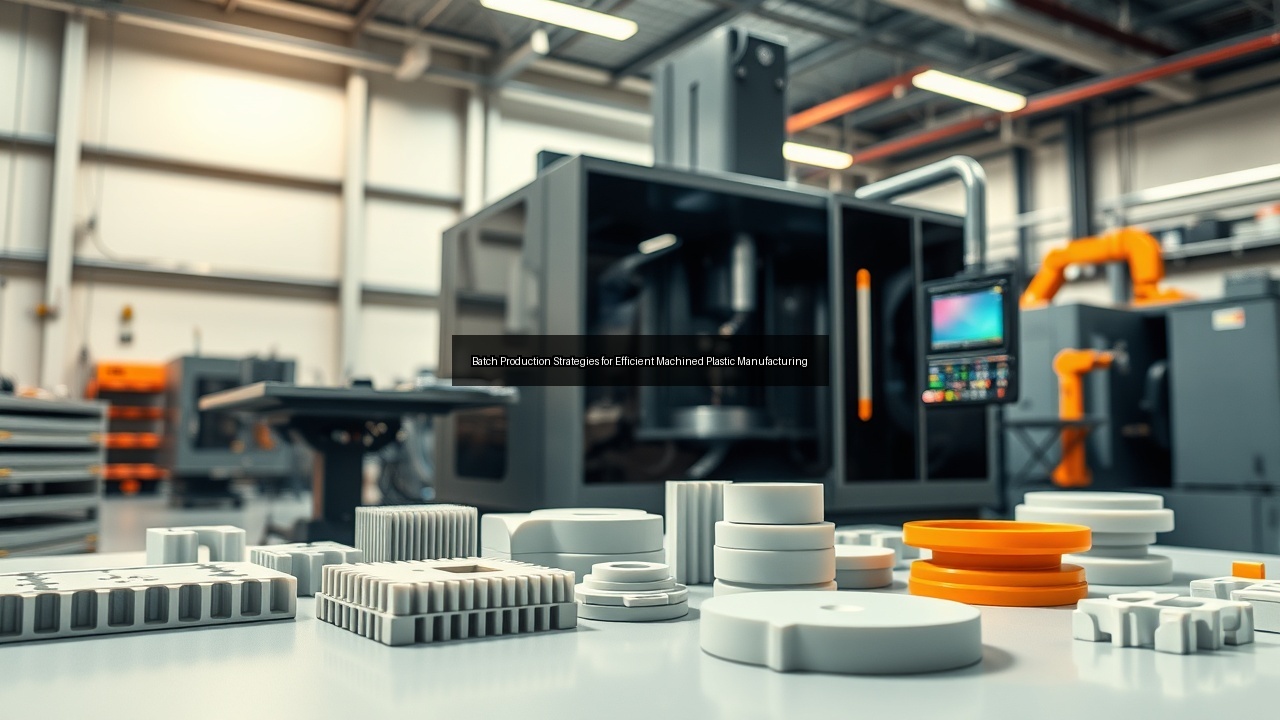
Batch production organizes machined plastic components into defined groups that move through cnc machinery in controlled stages. This approach lets manufacturers process engineering plastics like acetal or polycarbonate in quantities that match demand without committing to continuous runs. Operators load raw stock, execute cnc machining sequences, and unload finished parts before resetting for the next batch. The method suits plastic fabrication jobs where part geometry changes frequently yet volumes stay moderate.
Companies track each batch with job tickets that record dimensions, tolerances, and material lot numbers. This traceability supports quick adjustments when cnc machined plastic parts require slight tooling offsets. Batch sizes typically range from 50 to 500 units, giving flexibility that high-volume extrusion cannot match. Machinists review tool wear after every cycle to maintain consistent quality across the group.
Benefits of Batch Production for Machined Plastics
Batch production reduces setup time across multiple machined plastic components by grouping similar operations. One setup can produce dozens of plastic machined components before the next changeover, cutting idle hours on cnc machinery. Inventory stays lean because parts move directly to assembly or shipping once the batch completes inspection. This efficiency lowers storage costs for engineering plastics that absorb moisture or require climate control.
Manufacturers gain pricing advantages when quoting plastic cnc machined components in batches rather than one-offs. Repeat setups build operator familiarity, which shortens cycle times on subsequent runs of cnc machined plastic parts. Scrap rates drop because initial test pieces reveal issues before the full batch runs. Customers receive uniform machined plastic parts that match specifications across the entire order.
Key Factors Influencing Batch Production Strategies
Material selection drives batch size decisions for machined plastic components. Stable polymers allow larger groups, while composites with fiber fillers need smaller runs to monitor dimensional drift. Machine availability also shapes strategy, since popular five-axis centers often book weeks ahead for complex plastic machined components. Lead-time commitments force planners to balance batch quantity against delivery dates.
Part complexity further influences grouping. Simple turned plastic machined parts fit larger batches, whereas intricate milled features require frequent tool changes that favor smaller lots. Workforce skill levels matter too; experienced machinists handle larger batches with fewer interventions. Companies evaluate these variables weekly to keep cnc machining cells productive while meeting customer specifications.
CNC Machining: The Backbone of Machined Plastic Components
Overview of CNC Machinery in Plastic Fabrication
CNC machinery forms the core of modern plastic fabrication for machined plastic components. Multi-axis mills and lathes cut, drill, and contour engineering plastics to precise shapes that injection molding cannot achieve economically in low volumes. Shops equip these machines with high-speed spindles that prevent melting during aggressive cuts on thermoplastics. Vacuum tables and soft jaws secure delicate stock without marring surfaces.
Programmers import CAD models directly into cnc machining software to generate toolpaths for plastic cnc machined components. Simulation checks for collisions before any metal or plastic meets the cutter. This digital workflow shortens lead times for new machined plastic parts while preserving tight tolerances. Many facilities run lights-out batches overnight once the first article clears inspection.
Precision Engineering and Tolerances in CNC Machining
Precision engineering demands that cnc machined plastic components hold tolerances as tight as ±0.025 mm on critical dimensions. Machinists select appropriate end mills and turning inserts to achieve these results without secondary operations. They monitor thermal expansion because plastics respond more dramatically to heat than metals during long cnc machining cycles. Coolant strategies and peck drilling cycles help maintain stability.
Engineers document every tolerance callout on drawings for machined plastic parts so operators know which features require extra attention. Statistical process control tracks variation across each batch, allowing real-time offsets that keep subsequent plastic machined components within specification. This discipline produces interchangeable parts that assemble without hand fitting.
The Role of CNC Machinists in Batch Production
CNC machinists translate engineering intent into reliable output for every batch of machined plastic components. They select feeds, speeds, and tool sequences that protect surface finish while meeting cycle-time targets. During production they watch chip formation and listen for unusual sounds that signal impending tool failure on engineering plastics. Their interventions prevent scrapped batches that would otherwise delay delivery.
Experienced machinists also mentor newer team members on the nuances of plastic fabrication. They document best practices for fixturing cnc machined plastic parts so the entire crew achieves consistent results. Their input during design reviews often improves manufacturability of future machined plastic components before tooling is ordered.
Innovative Technologies and Techniques in Machined Plastic Production
Utilizing Robotics in Batch Production
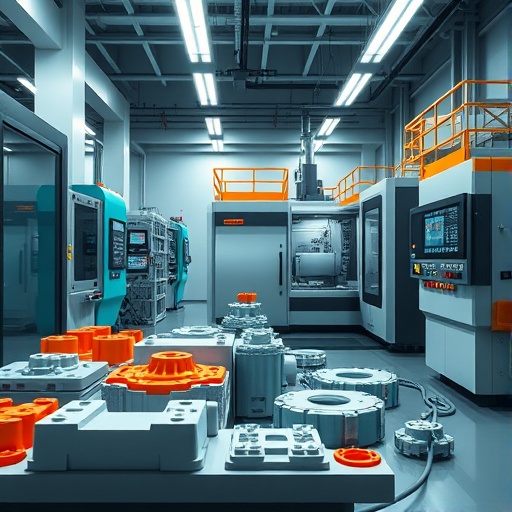
Robotics integrate into batch production lines to load and unload cnc machinery that produces machined plastic components. Collaborative robots handle repetitive material handling so machinists focus on programming and quality checks. Automated cells run larger batches overnight with consistent cycle times that human operators alone cannot sustain. Gripper designs accommodate various shapes of plastic cnc machined components without custom fixtures for every part number.
Robots also manage in-process deburring and sorting tasks after cnc machining completes. Vision systems verify part orientation before the next operation, reducing human error across the batch. Manufacturers report throughput gains of 30 percent when robotics support plastic fabrication workflows.
Advanced Surface Finishing Techniques for Machined Plastics
Surface finishing elevates the appearance and function of machined plastic components beyond raw cnc machined surfaces. Vapor polishing smooths internal channels in polycarbonate parts while preserving dimensional accuracy. Media blasting with plastic media creates uniform matte textures on engineering plastics without embedding contaminants. These treatments prepare surfaces for painting, bonding, or optical clarity requirements.
Manufacturers combine cnc machining with selective surface finishing to optimize cost. Critical sealing faces receive precision cuts, while non-functional areas undergo faster finishing methods. The result delivers machined plastic parts that meet both aesthetic and performance specifications in demanding applications.
Exploring the Use of Composites in CNC Machined Plastic Parts
Composites expand design options for cnc machined plastic parts by combining polymer matrices with glass or carbon reinforcement. Machinists adjust parameters to prevent delamination when cutting these materials on standard cnc machinery. Sharp tools and controlled feeds produce clean edges on machined plastic components that contain fiber fillers. Coolant delivery becomes critical to avoid heat buildup that weakens the matrix.
Designers specify composites when machined plastic components must resist creep or carry structural loads. Batch production runs of these parts require extra inspection steps to confirm fiber orientation and void content remain acceptable. The added performance justifies the processing discipline for aerospace and industrial customers.
Quality Assurance in Machined Plastic Component Manufacturing
Specifications and Tolerances in Machined Plastic Parts
Specifications define every dimension, tolerance, and material property for machined plastic components before production begins. Engineers review these documents with the manufacturer to confirm that cnc machining equipment can achieve required accuracy on the chosen plastic. GD&T callouts guide fixture design and inspection sequences so plastic machined components meet form and position requirements.
Batch travelers carry these specifications through the shop. Operators reference them during setup and first-article inspection to catch deviations early. Clear documentation prevents costly rework when tolerances on critical features of cnc machined plastic parts sit near process capability limits.
Surface Treatments for Enhanced Durability
Surface treatment processes add wear resistance or chemical protection to machined plastic components after cnc machining. Flame treatment raises surface energy on polyolefins so adhesives bond reliably. UV-resistant coatings extend service life for outdoor plastic machined components. These steps occur between cnc operations and final inspection to avoid handling damage.
Manufacturers select treatments based on end-use environments rather than applying them universally. A single batch may receive different surface treatments on subsets of parts destined for varied applications. This flexibility keeps inventory responsive while protecting machined plastic parts from premature failure.
Testing and Inspection Methods for Machined Components
Testing and inspection validate that every batch of machined plastic components satisfies customer requirements. Coordinate measuring machines capture dimensional data on plastic cnc machined components to verify tolerances. Surface profilometers quantify roughness values that affect sealing performance. Functional tests confirm that assembled parts operate correctly before shipment.
Statistical sampling plans balance inspection cost against risk. Critical dimensions receive 100 percent checks while cosmetic features use batch sampling. Records from these activities support traceability and continuous improvement for future production of machined plastic parts.
Choosing the Right Manufacturer for Machined Plastic Components
Evaluating Manufacturer Capabilities and Technologies
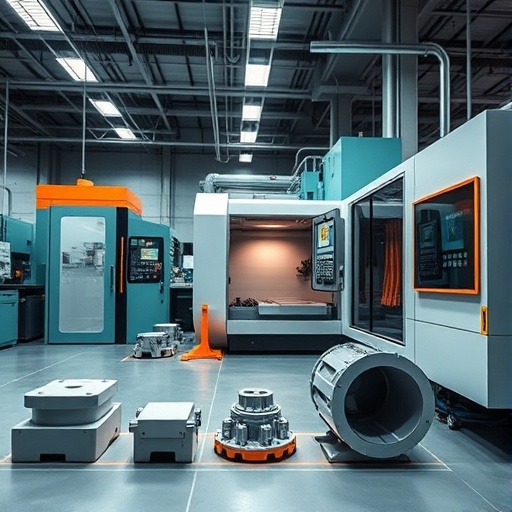
Evaluating manufacturer capabilities starts with an audit of available cnc machinery and in-house plastic fabrication expertise. Shops that maintain five-axis centers and live-tool lathes can produce complex machined plastic components without outsourcing. In-house engineering support helps optimize designs for cnc machining before batches reach the floor.
Customers should request sample parts that demonstrate tolerance achievement on their specific material. Technology investments in robotics, advanced tooling, and inspection equipment signal long-term commitment to quality machined plastic parts. These factors separate capable partners from general machine shops.
Assessing Lead Times and Batch Sizes
Assessing lead times requires clear communication about batch sizes and material availability. Reliable manufacturers publish standard lead times for common engineering plastics and offer expedited options for urgent machined plastic components. They also advise on economic batch quantities that minimize per-part cost without excessive inventory.
Flexibility matters when designs evolve. A responsive manufacturer adjusts batch sizes mid-project to accommodate engineering changes while protecting overall delivery schedules for plastic cnc machined components.
Importance of Manufacturer Reputation in the Industry
Manufacturer reputation reflects consistent delivery of quality machined plastic components over multiple projects. References from similar industries confirm experience with the same polymers and tolerance demands. Online reviews and trade association participation provide additional signals of reliability.
Long-term partnerships develop when manufacturers communicate proactively about potential issues during cnc machining. Companies that invest in employee training and equipment upgrades maintain the skills needed to produce increasingly sophisticated plastic machined components. Reputation therefore serves as a practical indicator of future performance.