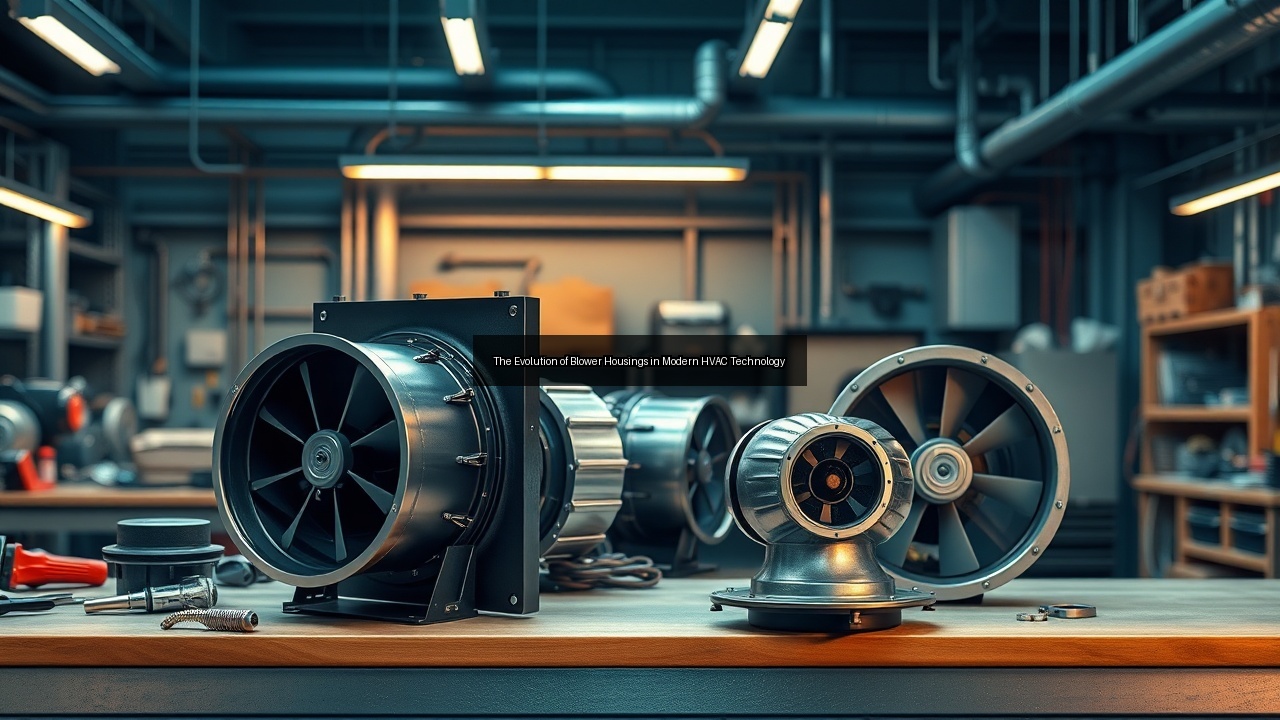
The Evolution of Blower Housings in Modern HVAC Technology
Understanding the Role of Blower Housings in HVAC Systems
Functionality of Blower Fans in HVAC
Blower fans serve a critical function in HVAC systems by facilitating the movement of air throughout residential and commercial spaces. These fans create a powerful airflow that ensures the efficient distribution of heated or cooled air, enhancing both comfort and indoor air quality. Positioned within the blower housing, blower fans can operate at various speeds based on the system design and user preferences. The effectiveness of the HVAC system hinges on the blower's performance, which directly impacts energy efficiency, heating, or cooling capacities. Understanding the functionality of these blower fans is essential for anyone involved in HVAC maintenance or installation.
Key Components of Blower Housing
The blower housing encompasses several key components that work together to optimize the air movement process. At its core, the housing structure contains the blower fan, which includes the fan blades and the motor. Additionally, the housing features an air intake and exhaust system that allows for the smooth flow of air in and out of the HVAC system. This assembly often integrates noise-dampening materials to minimize operational sounds, contributing to a quieter environment. Proper design and construction of the blower housing ensure that air circulates efficiently while protecting the internal components from dust and debris, thus extending the lifespan of the HVAC system.
The Importance of Air Filters in Blower Efficiency
Air filters play a vital role in maintaining the efficiency of blower housings within HVAC systems. By trapping dust, allergens, and other particulates, air filters prevent these contaminants from entering the blower fan and the HVAC system. Clogged or dirty filters can impede airflow, leading to increased strain on the blower motor and reduced system efficiency. Regularly changing or cleaning air filters is crucial for optimal blower performance and energy efficiency. The integration of high-efficiency particulate air (HEPA) filters can further enhance indoor air quality while ensuring that the HVAC system operates smoothly, minimizing wear and tear on the blower components.
Technological Advancements in Blower Housing Design
Material Innovations: From Metal to Composite
The evolution of blower housing materials marks a significant advancement in HVAC technology. Traditionally, metal was the primary choice, offering durability and strength. However, modern designs increasingly utilize composite materials that provide equivalent structural integrity while being lighter and more resistant to corrosion. These innovations help improve the overall efficiency of the HVAC system by reducing the weight of the blower housing assembly, which in turn can lead to lower energy consumption. Furthermore, composite materials can be molded into more intricate designs, optimizing airflow dynamics and enhancing performance.
The Shift to Energy-Efficient HVAC Solutions
Energy efficiency has become a primary focus in HVAC technology, influencing the design and functionality of blower housings. Modern blower systems are engineered to consume less energy while delivering higher performance. Variable speed motors, now commonly used in blower fans, adjust their speed based on the system's demand, leading to significant energy savings. Additionally, energy-efficient blower housings minimize air leakage and enhance thermal insulation, contributing to lower heating and cooling costs. This shift not only benefits consumers through decreased utility bills but also supports environmental sustainability by reducing overall energy consumption.
Integration of Smart Technology in Blower Systems
The integration of smart technology into blower systems revolutionizes how HVAC systems operate. Smart blowers are equipped with sensors and IoT capabilities that allow for real-time monitoring and adjustments based on environmental conditions. These technologies can optimize the performance of the blower housing by adjusting airflow dynamically, thereby improving comfort levels and energy efficiency. Furthermore, smart systems can communicate with users through mobile applications, providing feedback on system performance, maintenance needs, and energy usage. This level of control and insight empowers consumers to manage their HVAC systems proactively, leading to enhanced comfort and efficiency.
OEM vs. Aftermarket Blower Housings: What You Need to Know
Evaluating Brand Reputation and Feedback
When choosing between OEM (Original Equipment Manufacturer) and aftermarket blower housings, brand reputation plays a crucial role. OEM products are designed specifically for particular HVAC systems, ensuring a perfect fit and compatibility. Manufacturers invest considerable resources in quality control and product testing, leading to reliable performance. In contrast, aftermarket options may vary widely in quality and compatibility. Researching brand feedback through customer reviews and ratings can provide valuable insight into the reliability and performance of aftermarket products. Selecting a reputable brand, whether OEM or aftermarket, helps ensure that the blower housing performs efficiently within the HVAC system.
Understanding Warranty Differences
Warranties differ significantly between OEM and aftermarket blower housings, influencing purchasing decisions. OEM products typically come with comprehensive warranties, reflecting the manufacturer's confidence in their products. These warranties often cover defects and performance issues for an extended period, providing peace of mind to consumers. In contrast, aftermarket products may offer limited warranties or none at all, leaving users to assume greater risk. Understanding the warranty terms can guide consumers in making informed choices, as a strong warranty can signify better quality and reliability in the blower housing.
Cost Considerations: OEM vs. Aftermarket Options
Cost remains a significant factor when deciding between OEM and aftermarket blower housings. OEM products usually come at a premium price due to their tailored design and quality assurance processes. However, they offer reliability and compatibility that may justify the expense. Aftermarket options often present a more affordable alternative, appealing to budget-conscious consumers. Still, lower prices can sometimes correlate with lower quality, leading to potential performance issues or premature failure. Weighing the cost against the potential risks and benefits of each option is essential for making a sound investment in HVAC blower housing.
Maintaining and Troubleshooting Blower Housings
Common Issues with Blower Motors and Housings
Blower motors and housings can encounter various issues that affect HVAC performance. Common problems include overheating, unusual noises, or complete failure of the blower fan. Overheating often results from dust buildup or a malfunctioning motor, while strange sounds may indicate issues with the ball bearings or the blower fan itself. Identifying these problems early can prevent more extensive damage to the HVAC system. Regular inspections can help detect these issues, allowing for timely repairs that maintain optimal performance and prolong the lifespan of the blower housing.
The Role of Ball Bearings in Performance
Ball bearings play a crucial role in the performance of blower motors. They reduce friction between moving parts, ensuring smooth operation and extending the lifespan of the blower fan. When ball bearings wear out or become damaged, they can lead to increased friction, resulting in overheating and decreased efficiency. Regular maintenance, including lubrication and inspection of the ball bearings, can prevent these issues. Choosing high-quality bearings during replacement can significantly impact the overall performance and reliability of the blower housing and the HVAC system.
Best Practices for HVAC System Maintenance
Maintaining an HVAC system requires a proactive approach to ensure continuous efficiency and longevity. Regularly changing air filters is a fundamental practice that keeps the blower housing functioning optimally. Scheduling professional inspections and maintenance can help identify potential issues before they escalate. Cleaning the blower housing and removing dust and debris from the blower fan enhances airflow and efficiency. Additionally, monitoring the performance of the blower motor and ball bearings can prevent unexpected breakdowns. Following these best practices not only maintains the HVAC system but also enhances indoor air quality and comfort.